



Scientific Interest
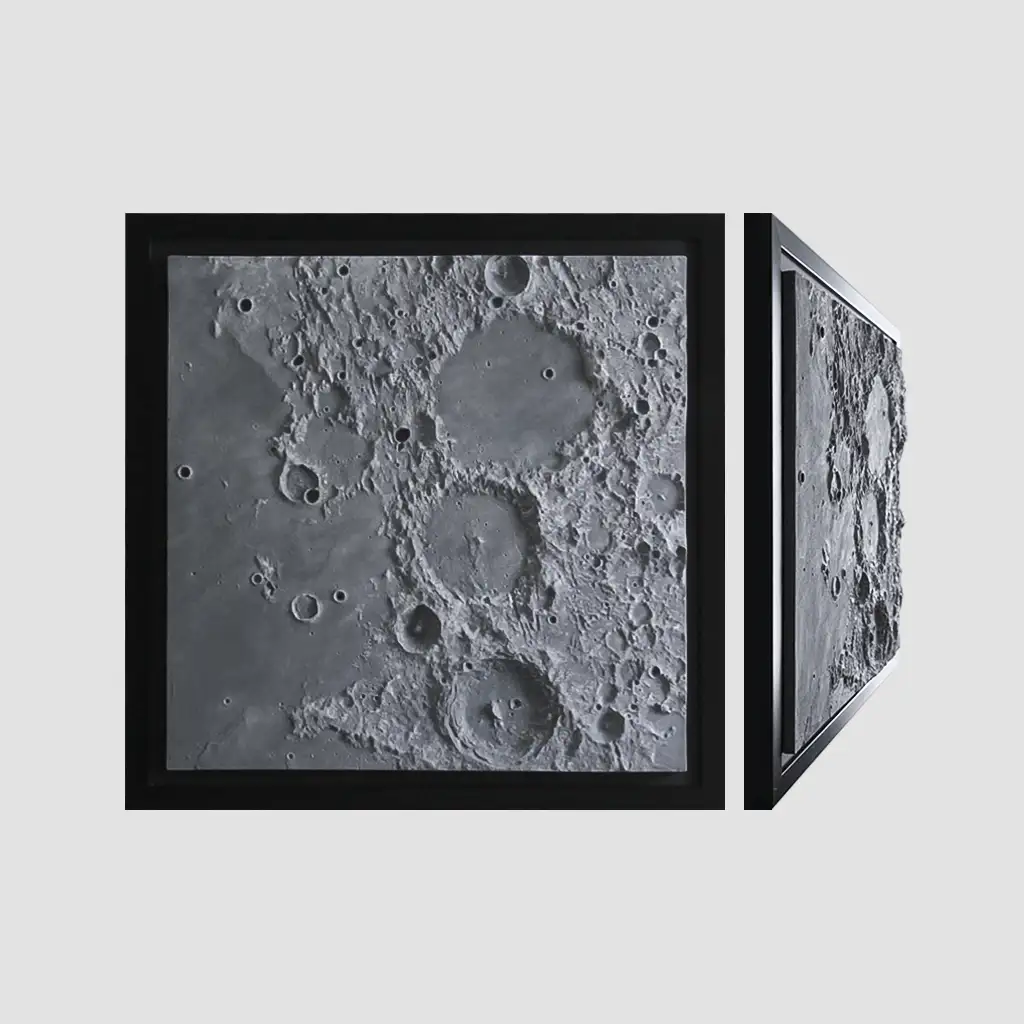
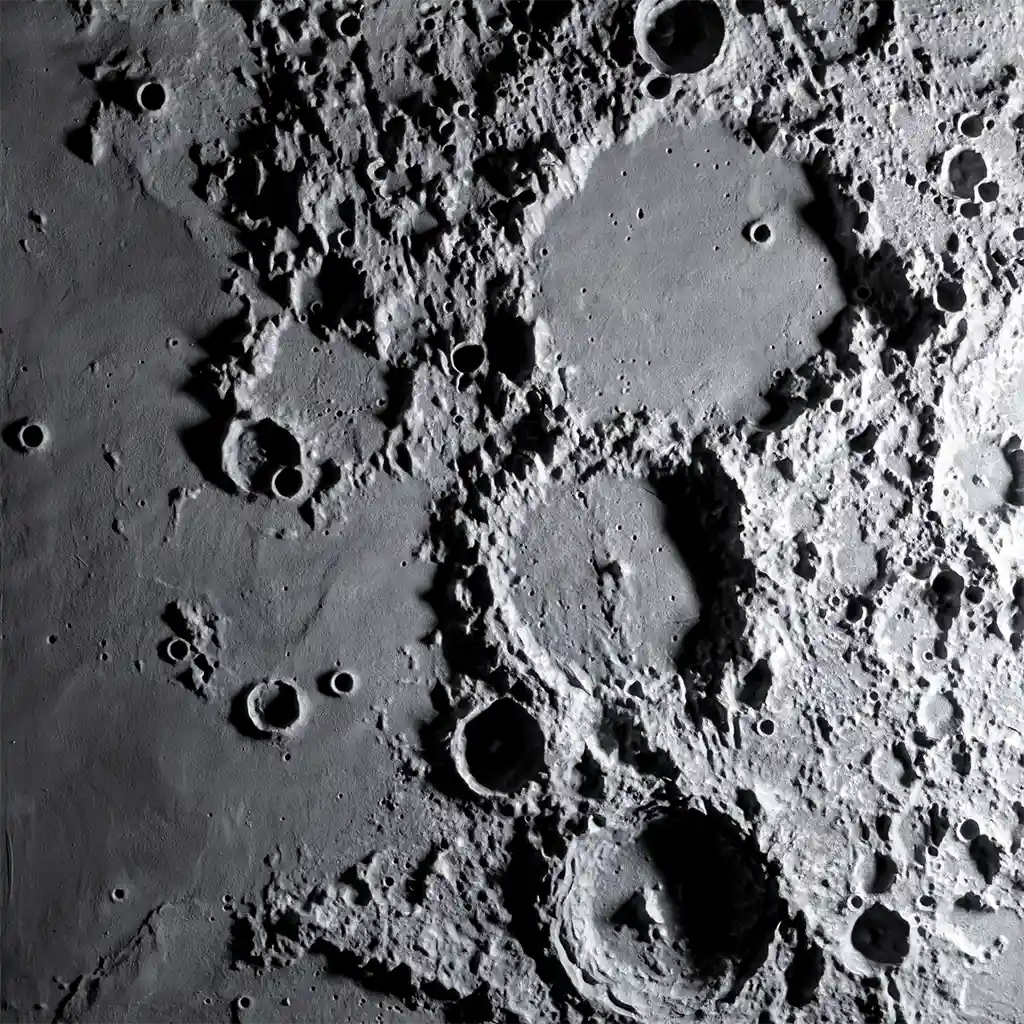
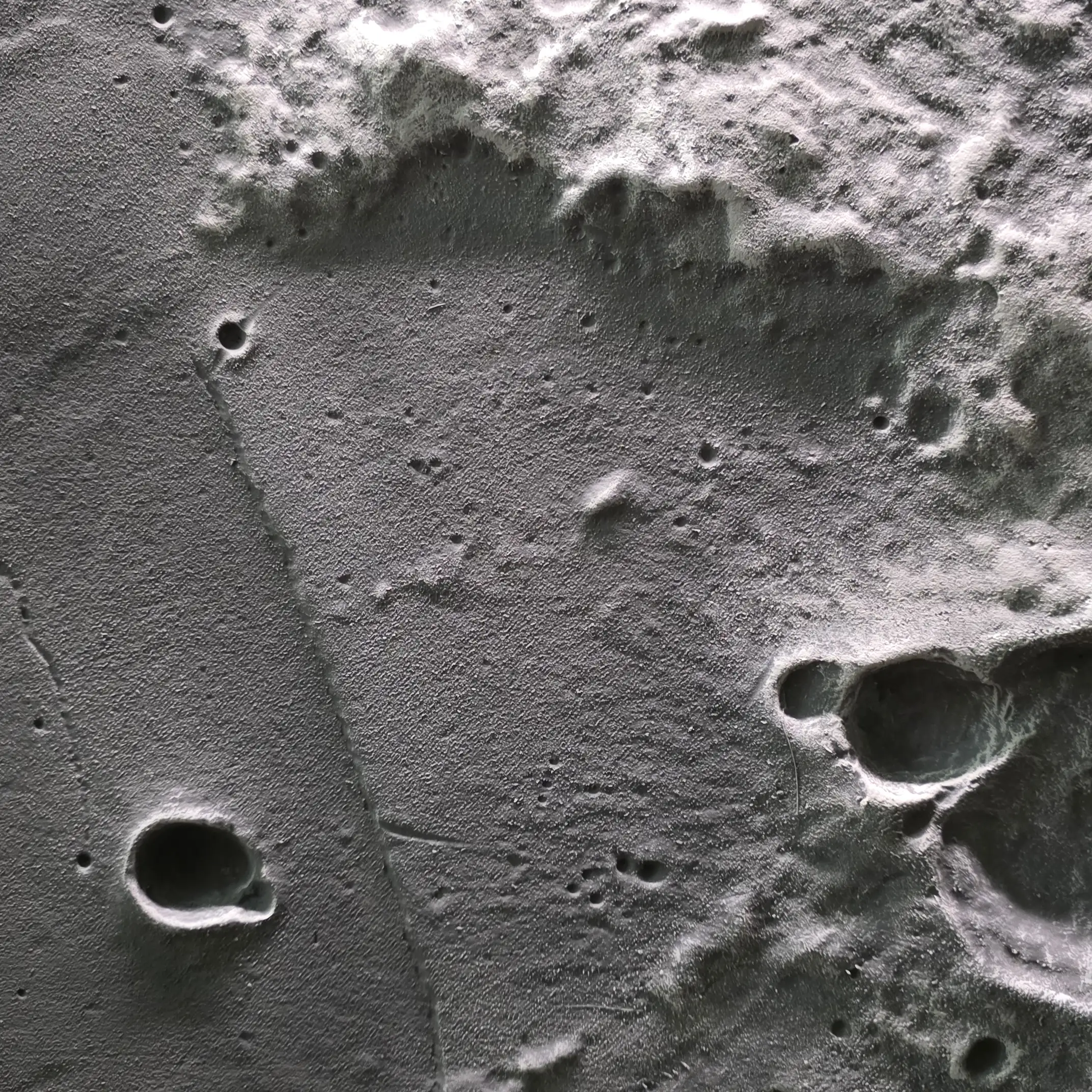
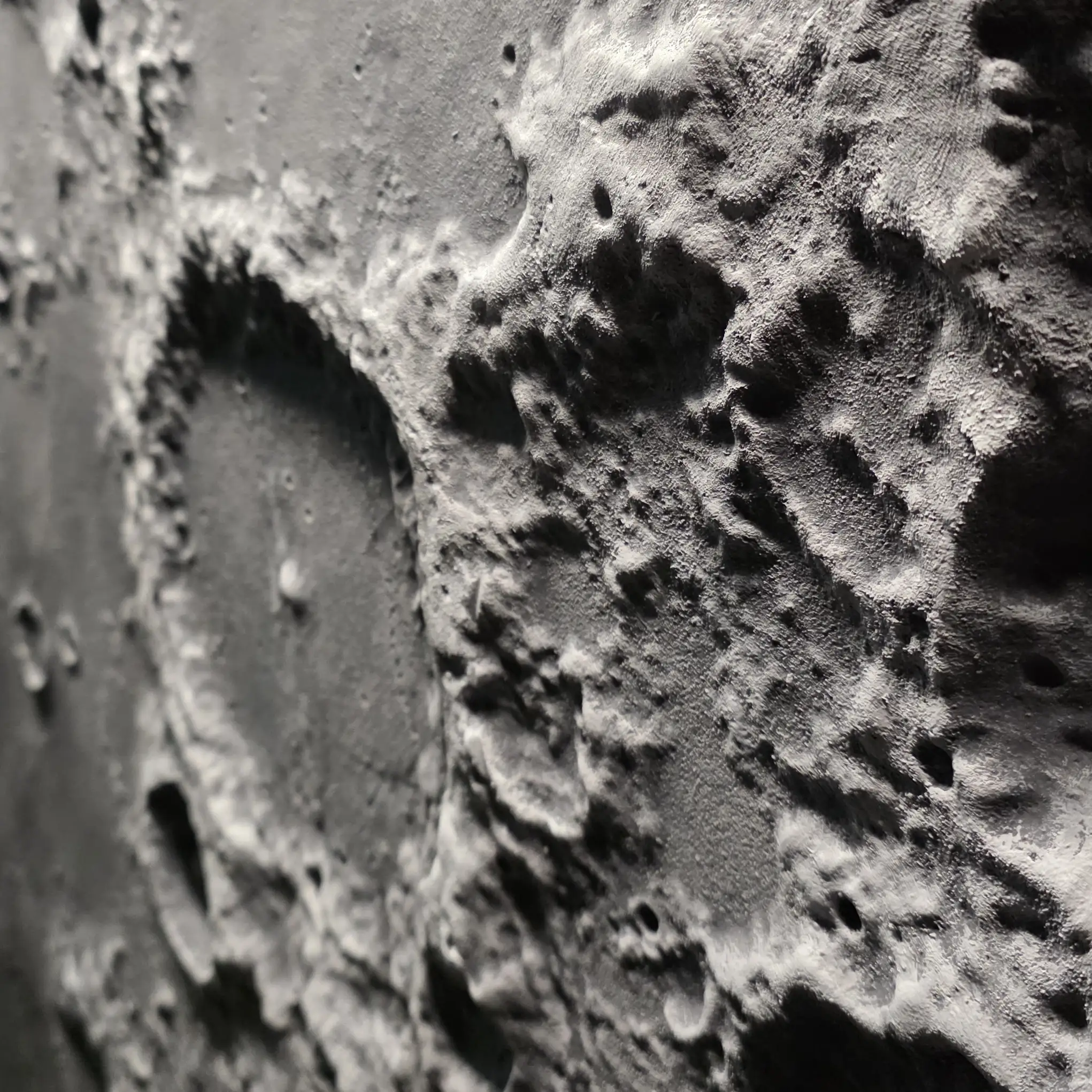
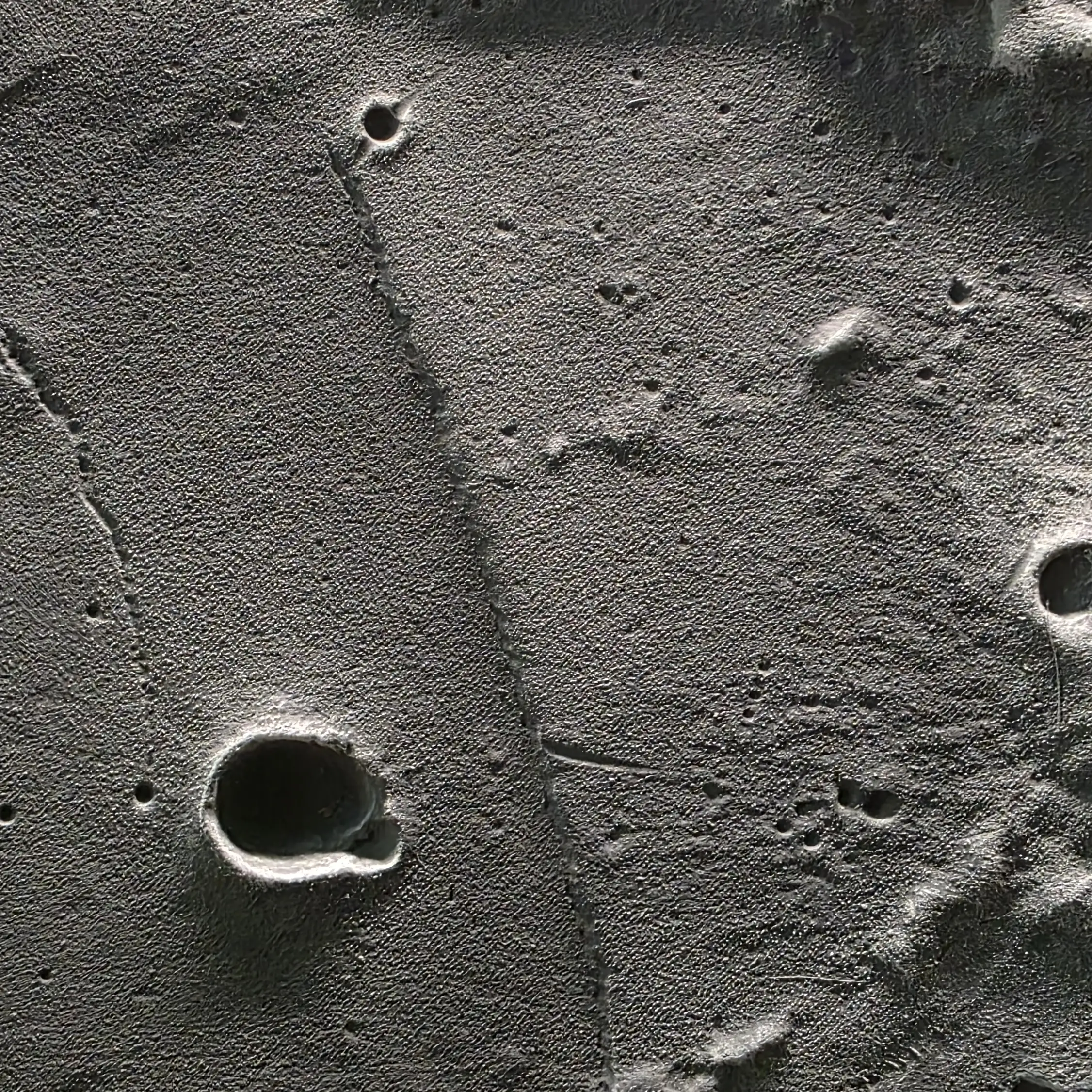
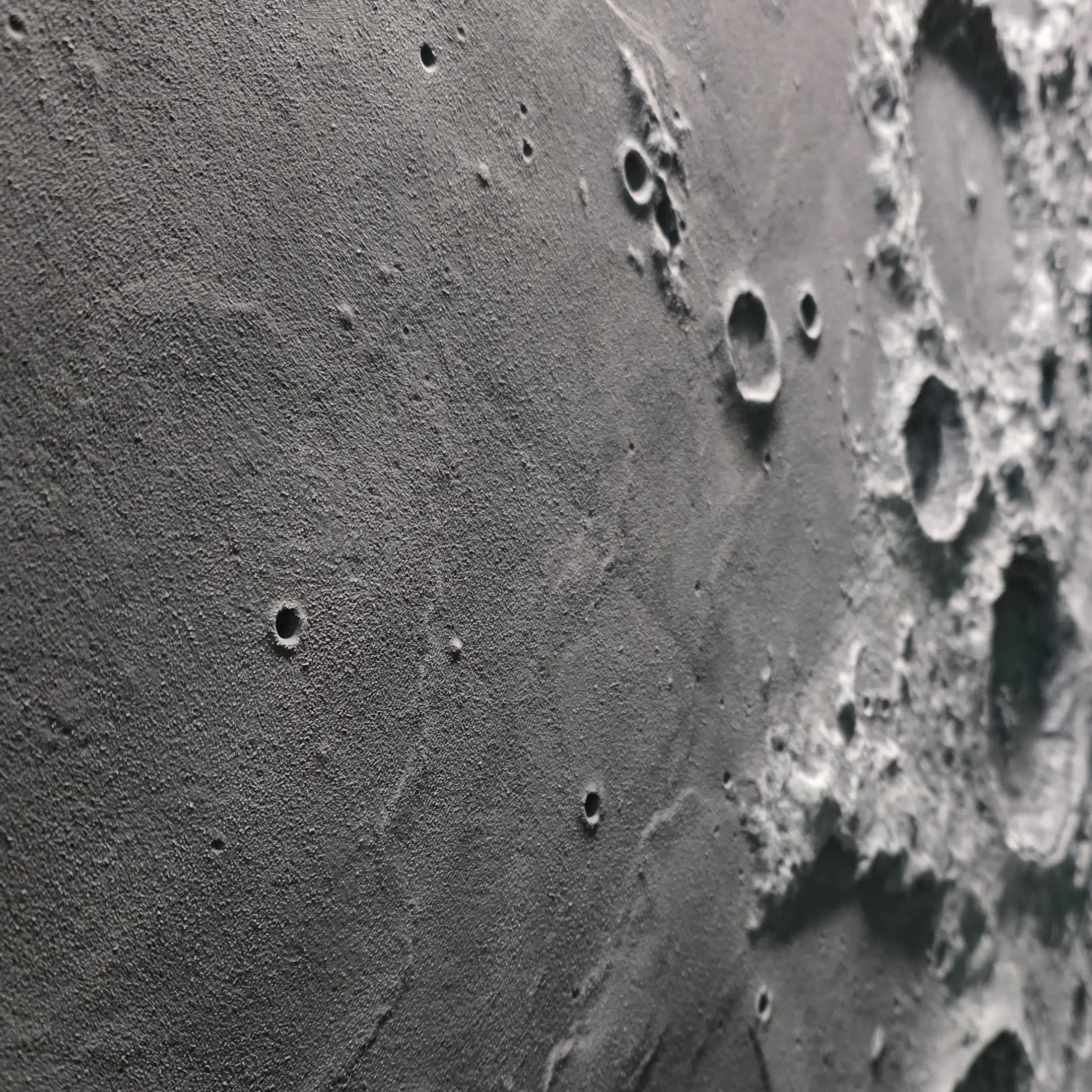
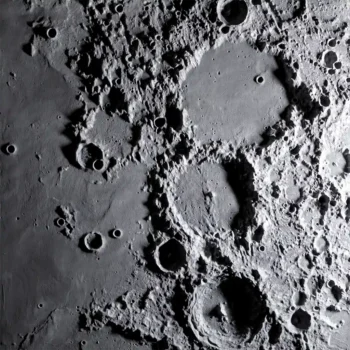
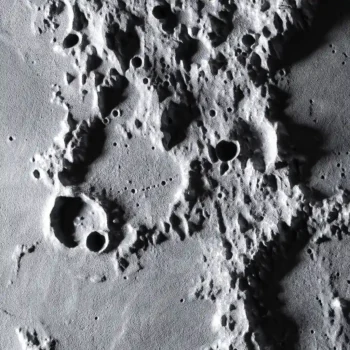
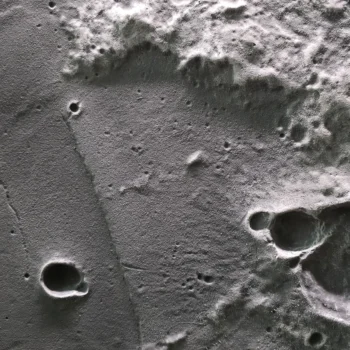
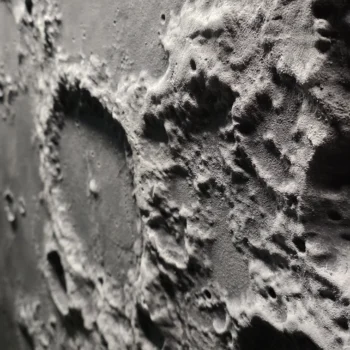
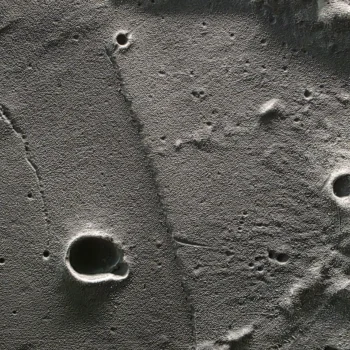
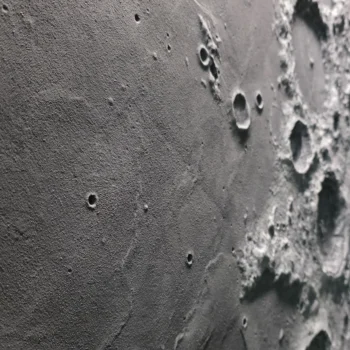
The Ptolemaeus, Alphonsus, and Arzachel region in the Moon’s south-central highlands is of high scientific interest due to its diverse geological features and the insight it provides into lunar history.
-
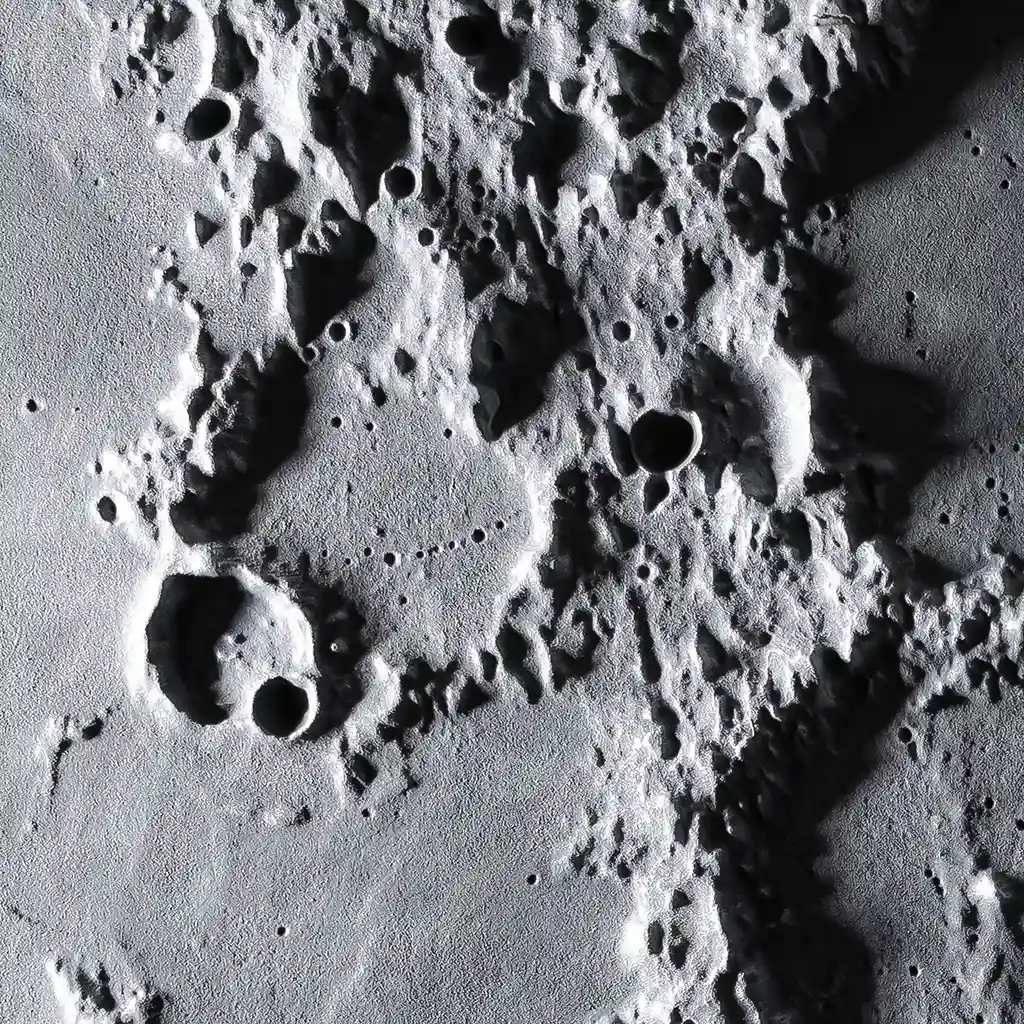
Alphonsus Crater is particularly notable for its dark-halo volcanic vents and rilles, suggesting possible endogenic volcanic activity. These vents have been associated with past reports of transient lunar phenomena (TLP), making it a target for ongoing observation and study.
-
Ptolemaeus shows evidence of lava flooding, with its relatively smooth floor and ghost craters offering clues about post-impact volcanic resurfacing during the Moon’s early evolution.
-
Arzachel, with its sharp rim, terraced walls, and exposed central peak, provides access to deeper lunar crustal material. It also contains fractures and small ridges on its floor, hinting at tectonic deformation or thermal contraction post-impact.
Together, these craters present opportunities to study impact processes, volcanic resurfacing, and lunar crust composition, making the region a valuable site for both remote sensing and potential in-situ exploration.
Formation
Each of the three craters formed during different geological periods and illustrates a progression of impact and surface modification processes.
-
Ptolemaeus (approx. 154 km in diameter) is the oldest, likely dating to the Pre-Imbrian to early Imbrian period (over 3.8 billion years ago). Its worn, low-relief rim and lava-flooded floor suggest heavy degradation over time and resurfacing by basaltic flows.
-
Alphonsus (approx. 118 km) formed slightly later, during the Imbrian period. It exhibits both classic impact features and post-impact volcanic activity, indicating multi-phase geological evolution.
-
Arzachel (approx. 96 km) is the youngest and best preserved, dating to the Eratosthenian period (~3.2–1.1 billion years ago). Its well-defined structure and central peak are characteristic of fresh complex craters.
This trio represents a stratified record of impact cratering and lunar surface evolution, from ancient, degraded basins to younger, pristine formations.
AGE
Ptolemaeus Crater: Pre-Imbrian period (~ 3.85 BYO)
Alphonsus Crater: Late Imbrian period (3.5 BYO)
Archel Crater: Eratosthenian period (~ 3.5 to 1.1 BYO)
Eponym
Ptolemaeus Crater: Claudius Ptolemaeus
Alphonsus Crater: Alphonso X of Castile
Archel Crater: Abū Ishāq Ibrāhīm al-Zarqālī (Latinized as Arzachel)
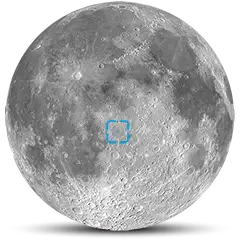
Location of Ptolemeaeus Crater Region as seen from
the Earth’s Northern Hemisphere

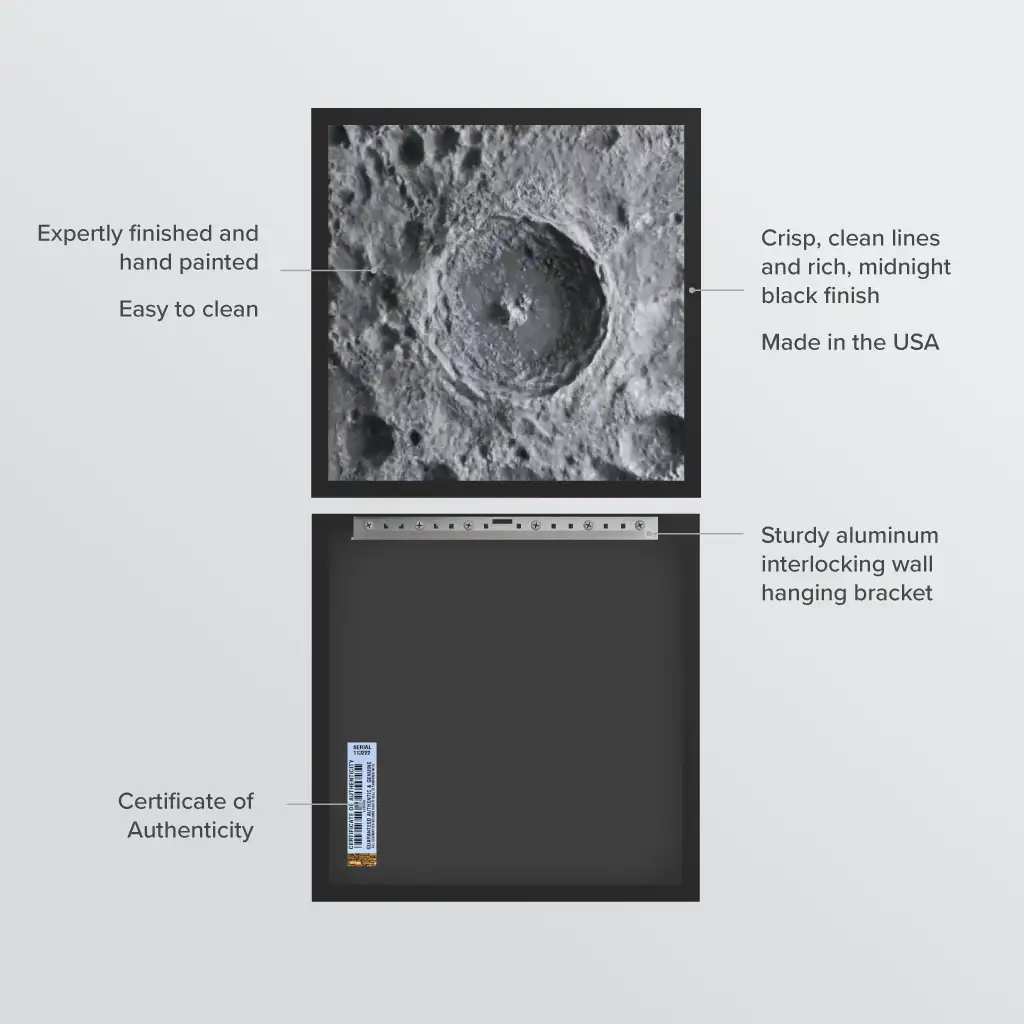
* This item is artisan crafted with meticulous care. Given its handmade and hand-finished nature, variations are to be expected and celebrated.
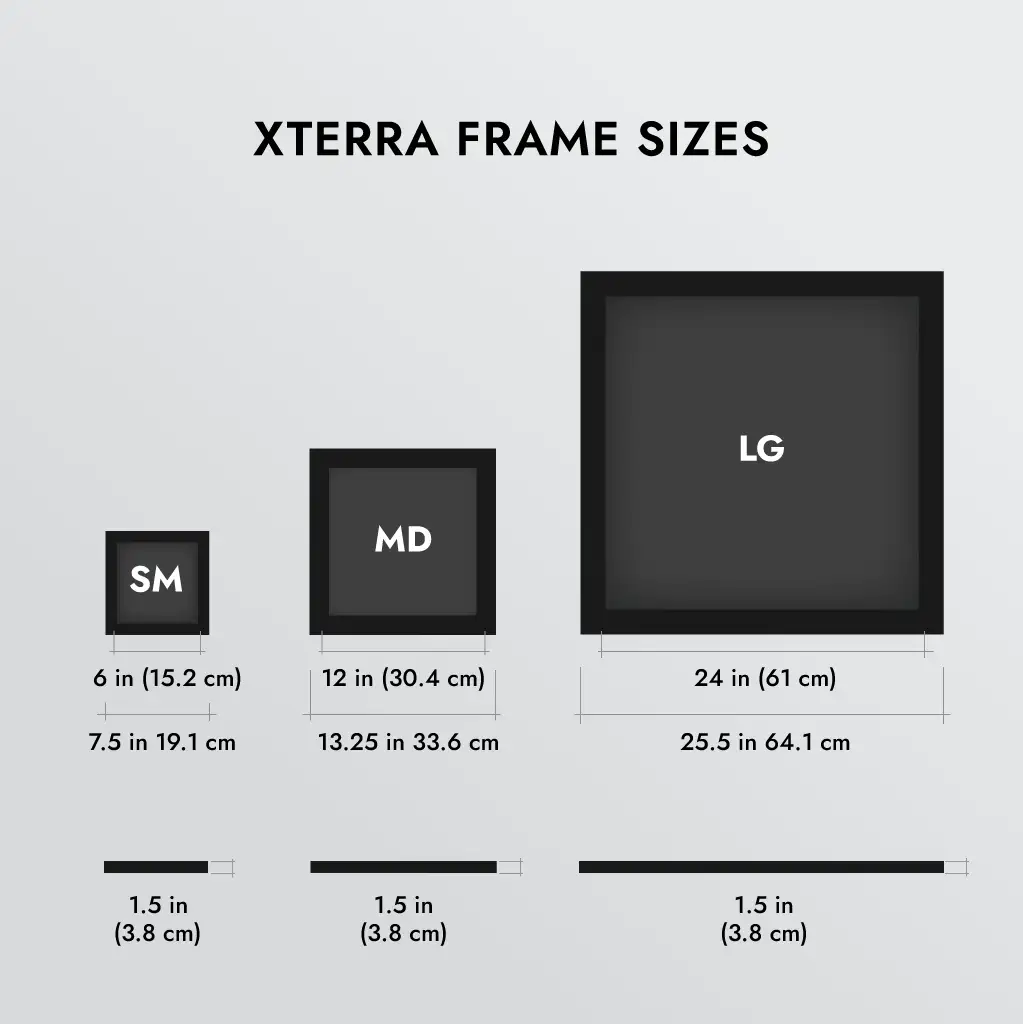
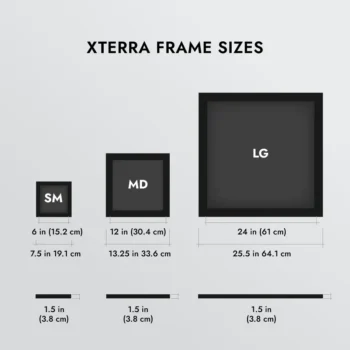
| Product | Width | Height | Depth |
|---|---|---|---|
| Xterra Frame 6×6 | 7.25 in (18.4 cm) | 7.25 in (18.4 cm) | 2 in (5 cm) |
| Xterra Frame 12×12 | 13.25 in (33.7 cm) | 13.25 in (33.7 cm) | 2.5 in (6.4 cm) |
| Xterra Frame 24×24 | 25.25 in (64.1 cm) | 25.25 in (64.1 cm) | 3.1 in (7.9 cm) |
| Xterra Frame 36×36 | 40 in (101.6 cm) | 40 in (101.6 cm) | 3.5 in (8.9 cm) |
| Xterra Frame 48×48 | 48 in (121.9 cm) | 48 in (121.9 cm) | 5.5 in (14 cm) |
Shipping
Where do you ship?
We primarily ship within the continental United States, with shipping costs included in the product price. For customers outside the U.S., a nominal shipping fee will apply. Please contact us, and we’ll work with you to ensure your Xterra Frame reaches your location.
How long does shipping take?
This is determined by your location. Orders are shipped from our Raleigh location and should arrive to you within a week of the shipping notification.
Are your products in stock?
Every model is handmade and produced individually. To reduce waiting times, we begin creating your order the very next day and most orders are shipped within 2 weeks of your order.
How much does shipping cost?
Shipping is included in the price of Xterra Frames up to 24 × 24 inches within the continental United States.
How do I know when my order will arrive?
You will receive a notification and tracking number via email after your order has been processed.
Where is my order?
Each order will receive a tracking number where you can look up online to determine where your order is and when you anticipate it’s delivery.
Returns
Returns will be accepted for up to 14 days of Customer’s receipt of tracking number from Xterra. You, as a Customer, are obliged to inform us via email before you return the item.
To be eligible for a return, your item must be unused, in the same condition that you received it, and in the original packaging.
Add a review
ARTEMIS COLLECTION
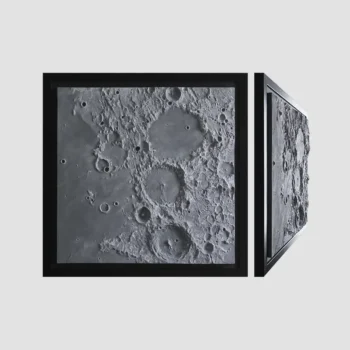
PTOLEMAEUS, ALPHONSUS, and ARZACHEL REGION
24 x 24 in (60 x 60 cm)
Price range: $129.00 through $3,949.00
FREE SHIPPING on orders in the Continental United States
Every product is uniquely handmade, requiring a minimum of two weeks to achieve its distinct quality.
ABOUT
The Ptolemaeus, Alphonsus, and Arzachel craters in the Moon’s south-central highlands reveal a rich geological record spanning billions of years. Ptolemaeus, the oldest (~154 km), features a worn rim and lava-flooded floor, evidence of early resurfacing. Alphonsus (~118 km) formed later and is distinguished by volcanic vents and rilles, possibly linked to transient lunar phenomena. Arzachel (~96 km), the youngest and best preserved, has a sharp rim, terraced walls, and a central peak exposing deep crustal material.
Together, these craters illustrate the Moon’s evolutionary timeline—from ancient impacts and volcanic activity to tectonic and thermal modifications—making the region a key site for studying lunar geology, crust composition, and surface processes.
Location of Ptolemaeus Crater as Seen from the Earth's Northern Hemisphere
Materials

*This item is artisan crafted with meticulous care. Given its handmade and hand-finished nature, variations are to be expected and celebrated.
Dimensions
| Width | Height | Depth |
|---|---|---|
| 25.25 in (64.1 cm) | 25.25 in (64.1 cm) | 1.5 in (3.8 cm) |
YOU MAY ALSO LIKE
MOONSCAPE 11
$1,299.00
MOONSCAPE 09
$1,199.00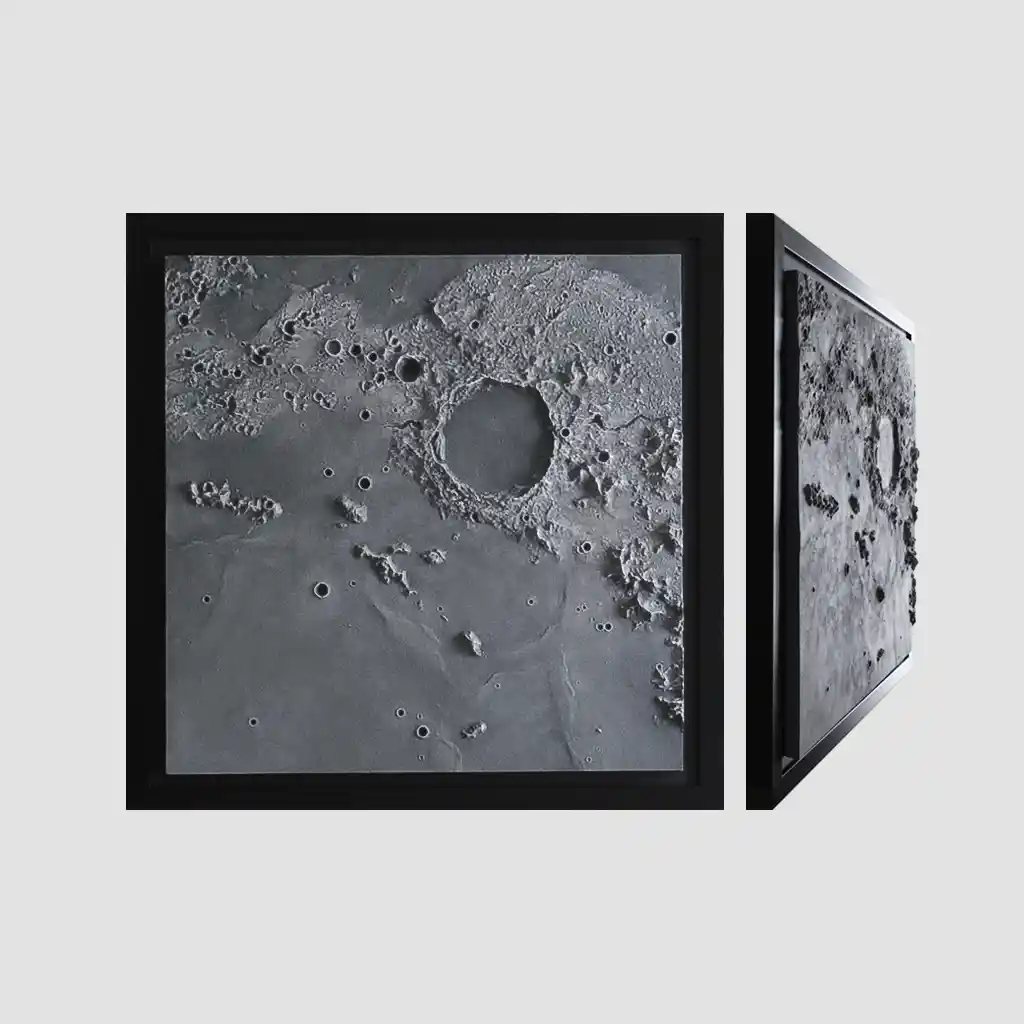
PLATO
Price range: $129.00 through $3,949.00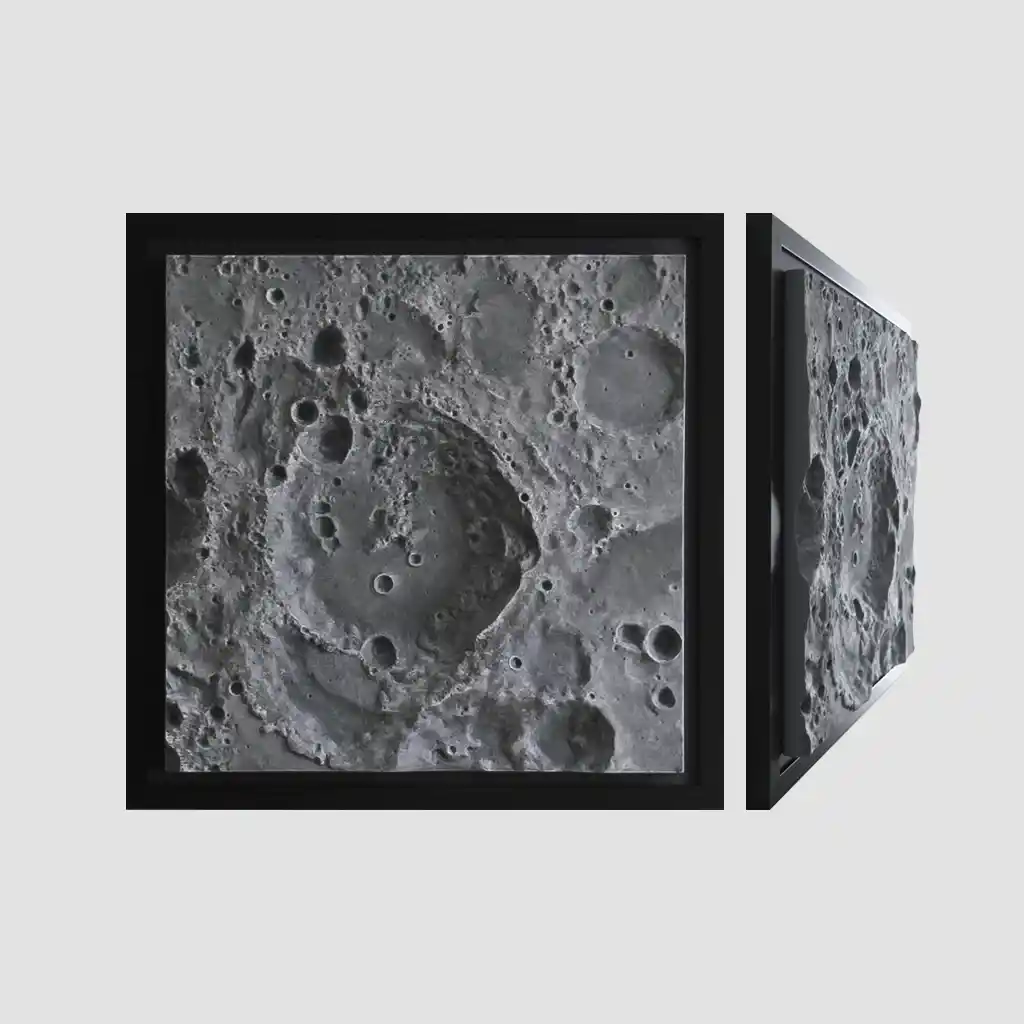
MAUROLYCUS
Price range: $129.00 through $3,949.00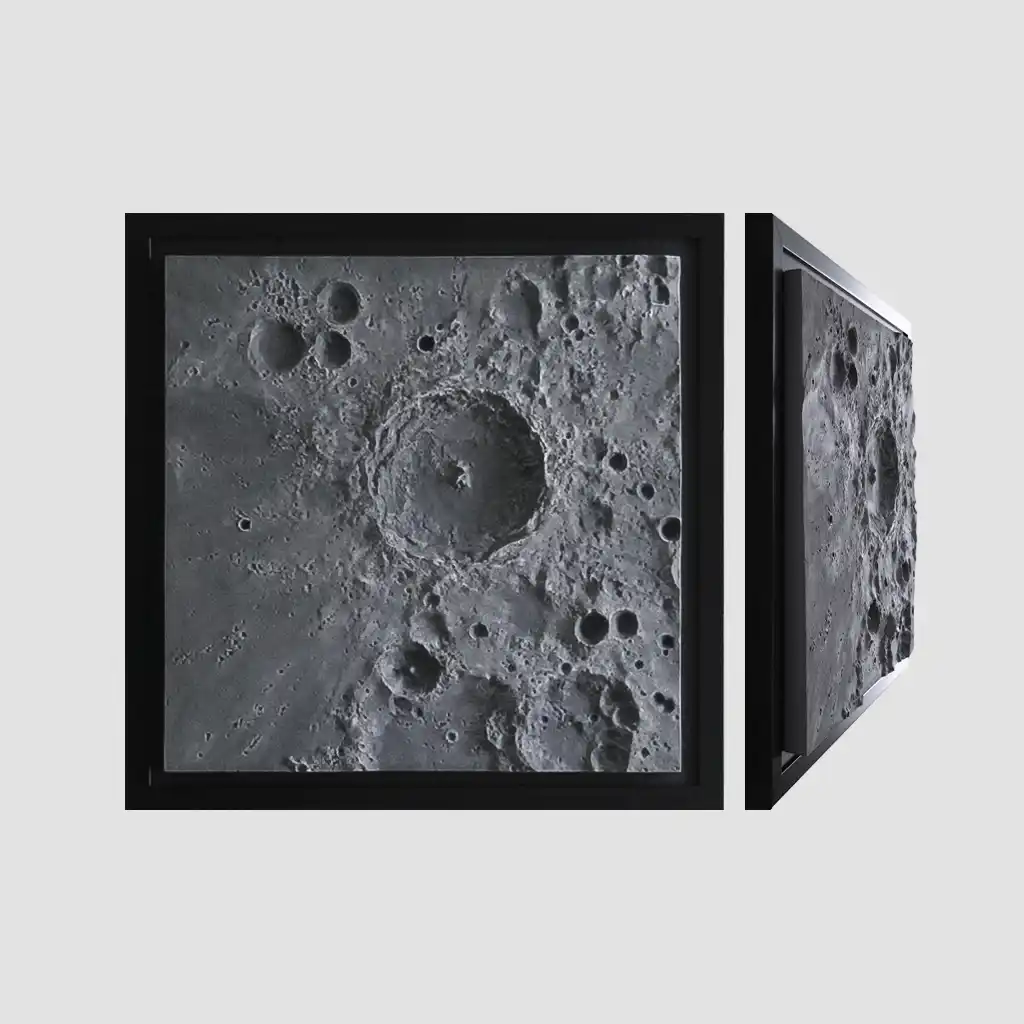
LANGRENUS
Price range: $129.00 through $3,949.00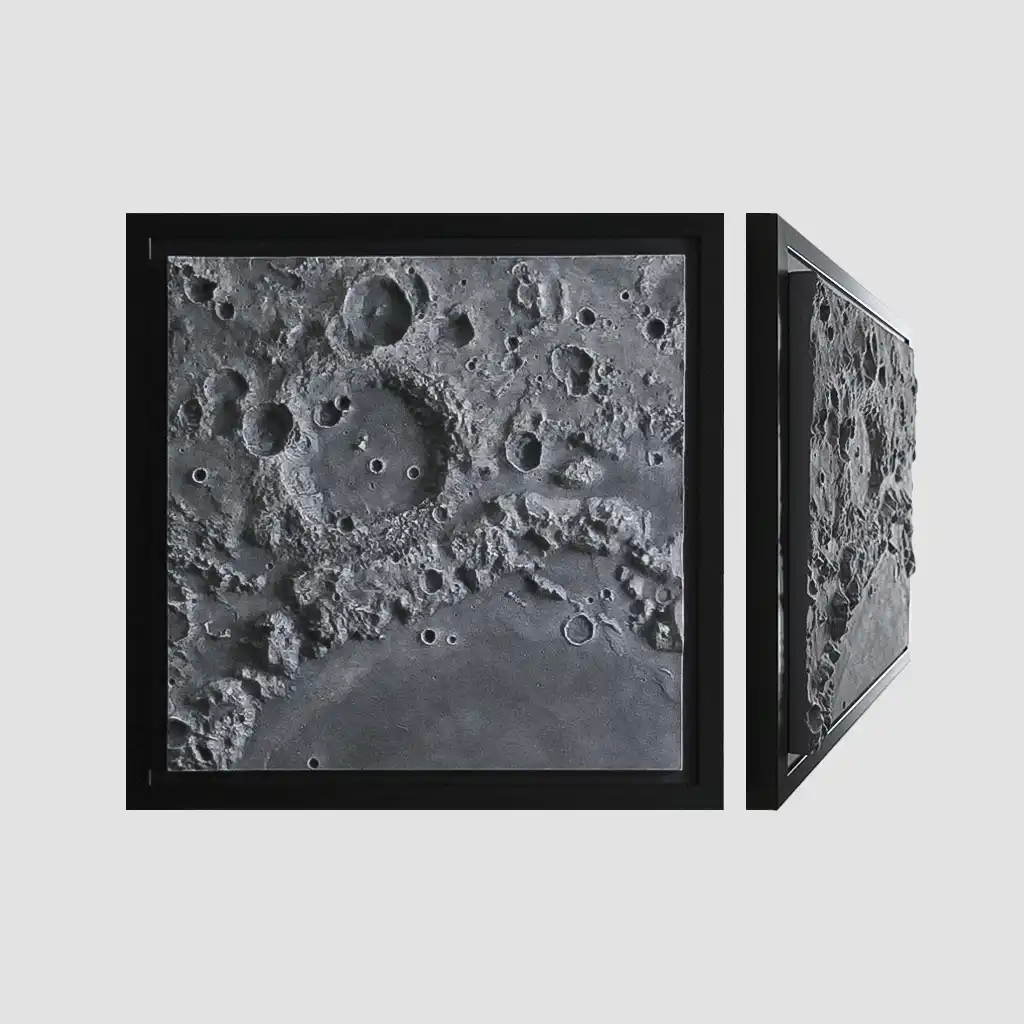
CLEOMEDES
Price range: $129.00 through $3,949.00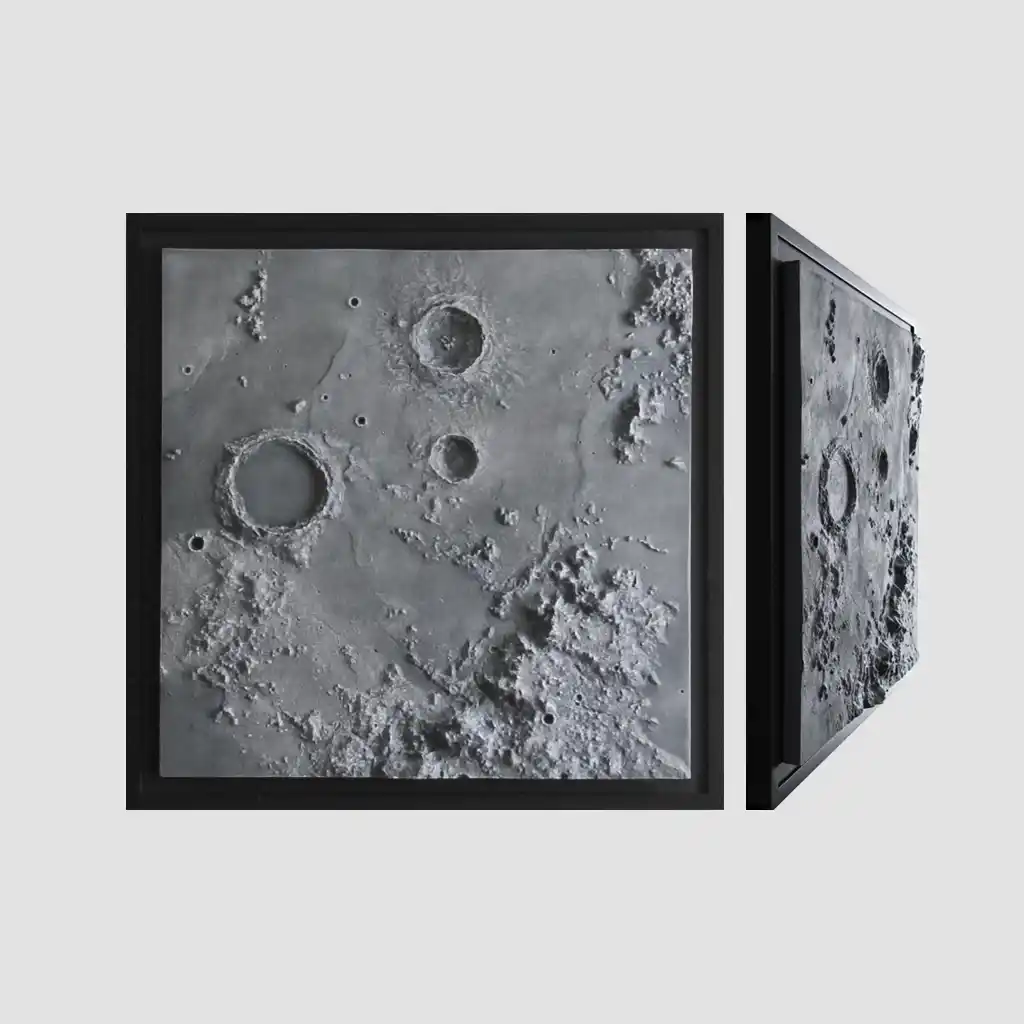
ARCHIMEDES, ARISTILLUS, and AUTOLYCUS REGION
Price range: $129.00 through $3,949.00